Digitised Dependence Driving Doctored Truths
An interactive workshop I co-led on medical misinformation: what it actually is, why falsehood travels six times faster than truth, and what a room full of life-sciences leaders could do about it. It ended with the launch of an alliance against misinformation in health.
What were the key learnings?
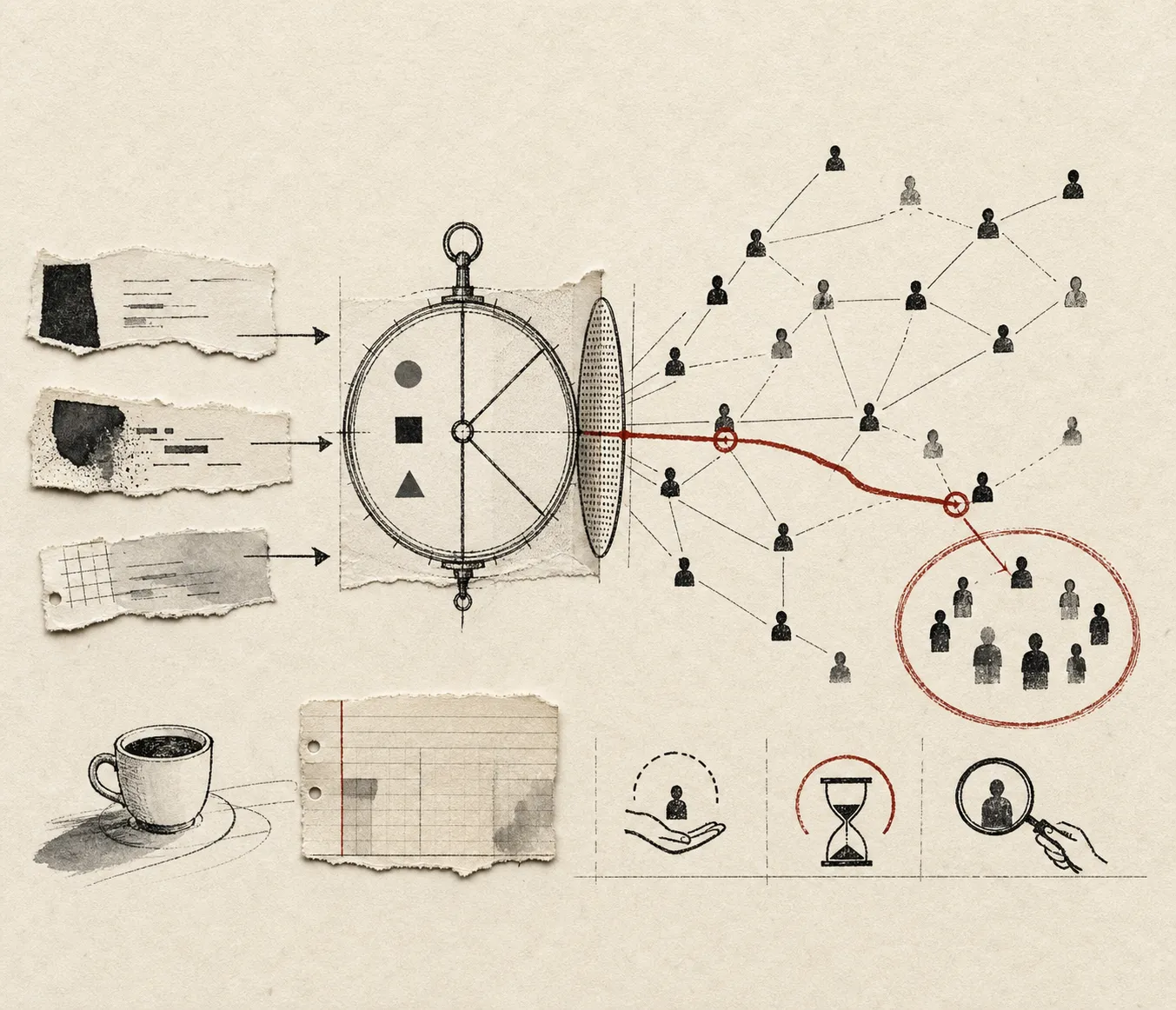
We opened with definitions that almost nobody I interviewed during my doctorate could give. Misinformation is factually wrong but shared without intent to deceive. Disinformation is wilful lying, for profit or narrative. Malinformation is the most insidious: nuggets of truth taken out of context and weaponised. Intent matters, because it changes how you counter each one.
Then the scale. A majority of healthcare professionals report losing patient trust to misinformation, around a fifth of patients have shared health content they later discovered was false, and MIT research shows false news spreads six times faster than truth, mostly shared by humans, not bots. Trust has migrated from experts, to systems, to strangers: it now flows peer to peer, laterally, which changes everything about how credible health information has to travel.
The response we proposed builds on the Alan Turing Institute’s framework of counselling, curbing and correcting: coach critical thinking before misinformation arrives (Finland teaches it in schools), slow the spread through conscious choices about what we share, and debunk where we see it, even over a coffee. Live audience polling surfaced the barriers (compliance, siloed functions, lack of trust) and the accelerants (patients, agility, authority). We closed by launching the Undoctored Truth Alliance, a cross-sector effort to unite the brilliant but siloed people already working on this, with patients involved from the start.