Fireside: AI and Trust
A fireside stood up at 48 hours’ notice after a schedule change. We talked about trust as the speed limit on AI adoption, and what I learned embedding myself in a 72-hour hackathon built on two million synthetic patient records.
What were the key learnings?
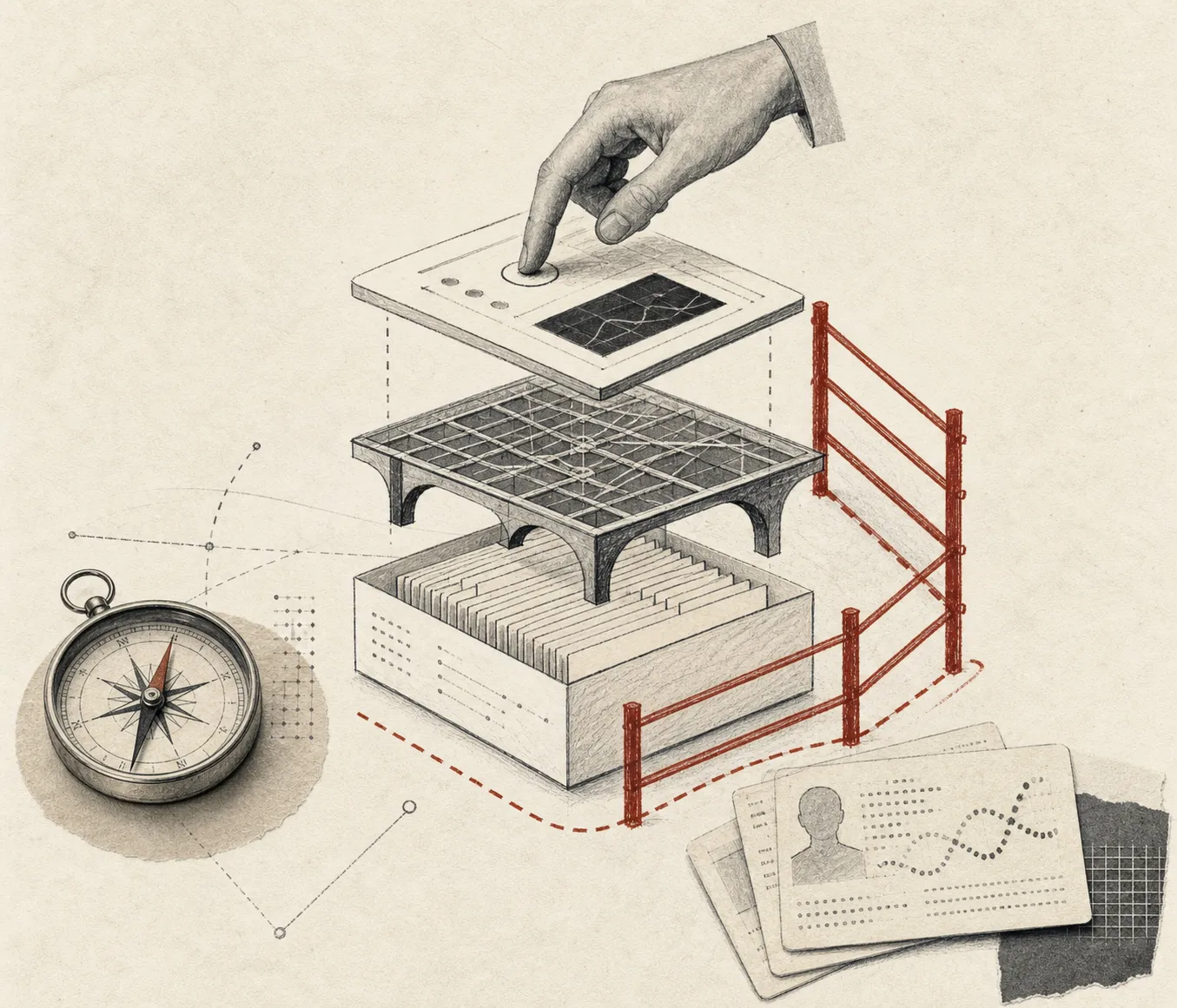
My counterpart, a former global head of digital health at a top-five pharma company now in technology consulting, argued that AI moves at the speed of trust, and that trust operates at three levels at once: the data, the infrastructure it sits on, and the tools people actually touch. It is hard fought, hard won, and very easily lost.
The hackathon story: invited to judge, I felt a fraud assessing expert coders, so I negotiated to sit inside the event for 72 hours instead and watch how the building actually happens. Coding talent fused with healthcare purpose, working on synthetic patient records under personas and guardrails prepared weeks in advance, taught me more about risk-appropriate experimentation than any slide deck. Not everything built should reach production, and that is the point: test, learn and refine without the emotional investment that forces bad products through anyway.
We closed on judgement. Large language models are engineered to be agreeable, which is charming right up until you ask them about something you cannot verify yourself; my mechanic laughed at my AI car diagnosis, and health deserves better safeguards than my car does. The frontier models now emerging are dual-use in the way nuclear material is: enormous good or real harm, depending on how we guide them. Getting the best tools deployed safely, with guardrails, will change health around the world. I have no doubt about that.