Glocalising Modular Content: How to Make It Happen
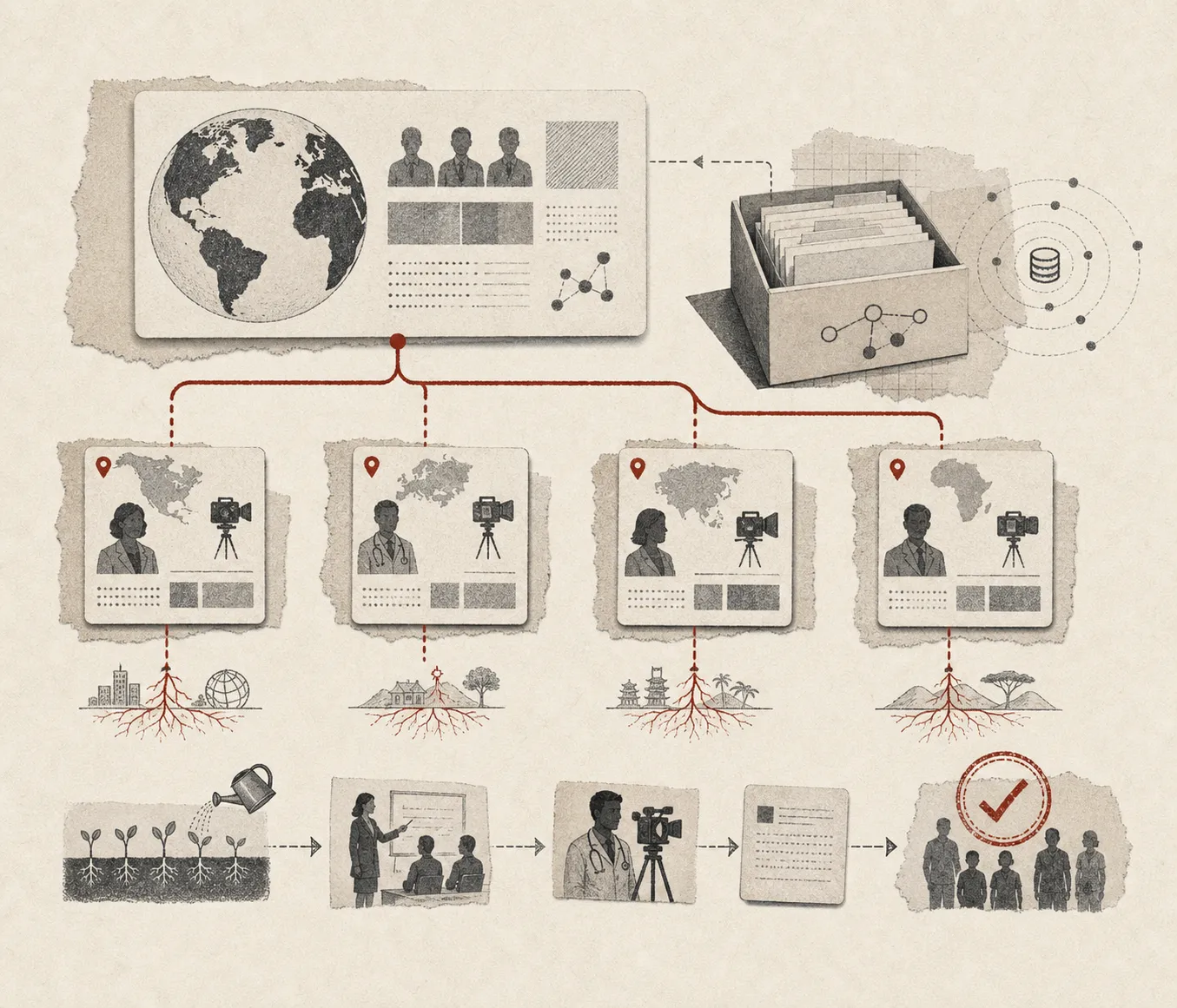
The closing panel of the day in Barcelona: how to make modular content genuinely work between global and local teams. My position: co-create early with markets, let local MSLs front the content, and never let global become an ivory tower.
What were the key learnings?
With medical affairs and scientific communications leaders from Takeda and Novartis, we unpacked “glocal” content: globally consistent, locally usable, and co-created rather than imposed.
My arguments: content forced on markets costs more downstream than co-creation costs up front, in sign-off time, localisation effort and lost ownership. Putting your own bright people on camera beats paying agencies for talking heads, because when every company uses the same agencies, all the materials look the same and differentiation dies. And education groundwork matters: at AstraZeneca, as a major cardiovascular outcomes trial read out, combining datasets showed the top UK GP search on Google was “what is type 2 diabetes and how do I diagnose it?”. Outcome-trial messaging lands on unprepared ground unless you walk people there first.
On AI, in the spring ChatGPT went mainstream: great for creative starts, but deployment has to be ethical, and as photorealistic synthesis arrives, human authenticity will become more valuable, not less. I also made the case for content repositories with institutional memory (stock-check before you commission), and for letting patient organisations co-create and rubber-stamp content rather than making everything purely on pharma’s terms.
- Vanessa Olmeier
- Gayle Kenney